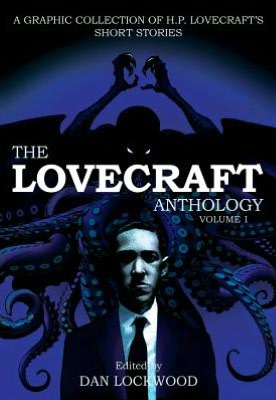
The Lovecraft Anthology, Volume 1:
A Graphic Collection of H.P. Lovecraft’s Short Stories
-Stories adapted by: Ian Edginton, Dan Lockwood, Rob Davis, David Hine, Leah Moore, and John Reppion
-Illustrated by: D’Israeli, Shane Ivan Oakley, I.N.J. Culbard, Mark Stafford, Leigh Gallagher, David Hartman, and Alice Duke
-Publisher: SelfMadeHero
-Released: April 15th, 2012
-ISBN: 981906838539

H.P. Lovecraft’s work has been filling my head with amazing, scary, cyclopean, and horrific images for more than fifteen years. From tentacled monsters, the inevitable return of the Old Ones, and creatures that hide in the shadows of dilapidated cities to antediluvian temples at the bottom of the ocean and edifices possessing that impossibly spooky element that is Non-Euclidean geometry, Lovecraft’s work is unique and wonderfully descriptive. With such evocative prose, it makes sense that many visual artists would try to bring Lovecraft’s stories to life using images. Until now, most of the attempts have landed somewhere between mediocre to good. However, Dan Lockwood’s The Lovecraft Anthology has changed that: I can now say I’ve seen and read a great collection of classic Cthulhu Mythos stories in graphic form.
The Lovecraft Anthology contains 7 tales that could be considered the sine qua non stories in any Mythos collection. Out of the seventy or so stories that Lovecraft wrote between 1898 and 1936 (not counting nonextant ones and co-authored pieces), Lockwood did a superb job of selecting the tales that make up the core of the Lovecraftian canon. The Call of Cthulhu, The Haunter of the Dark, The Dunwich Horror, The Colour Out of Space, The Shadow Over Innsmouth, The Rats in the Walls, and Dagon are all here in top-notch adaptations, and the art that brings them to life is outstanding.
One of the greatest challenges of turning classic literature into graphic work is adapting the original text in a way that the same story gets told in significantly less space and with just a fraction of the words. This is where most adaptations fail and where the writers in this anthology shine. The stories here are not stripped to the bare essentials or changed dramatically to achieve brevity; they’re somehow reworked while still retaining all the elements that made them great in the first place. This uneasy task was accomplished by every single contributor in this anthology and by editor Dan Lockwood on three occasions.
Besides the writing, the art is the best I’ve seen in a Lovecraftian collection. Whatever words were left out were replaced by haunting images that carry the narrative as well as the language they replaced. Also, the combination of well-known names and up-and-coming artists gives the anthology an exceptional range of styles. Leigh Gallagher uses a monochromatic approach to convey changes in time and to suggest emotional distress in The Shadow Over Innsmouth. Mark Stafford provides some truly spooky, deranged images that flawlessly reveal the degree of vileness and decay that overtakes the Gardners in The Colour Out of Space. Shane Ivan Oakley’s angular work combined with a somewhat somber palette of dark greens, grey, touches of red, black, and some white makes The Haunter of the Dark a thrilling read.
Bringing Lovecraft’s work into the graphic realm is a risky move because fans of his fiction are very passionate about his work, but Lockwood and company have pulled it off brilliantly in this collection. Fans of Lovecraft will be pleased and those not familiar with his work would be hard pressed to find a better visual introduction to the work of an author whose work and ever-growing influence on horror has helped turn his last name into an adjective.
Reviewed By Gabino Iglesias